Camel 12L Hiking Backpack: The Complete Guide
Camel 12L Hiking Backpack: The Complete Guide
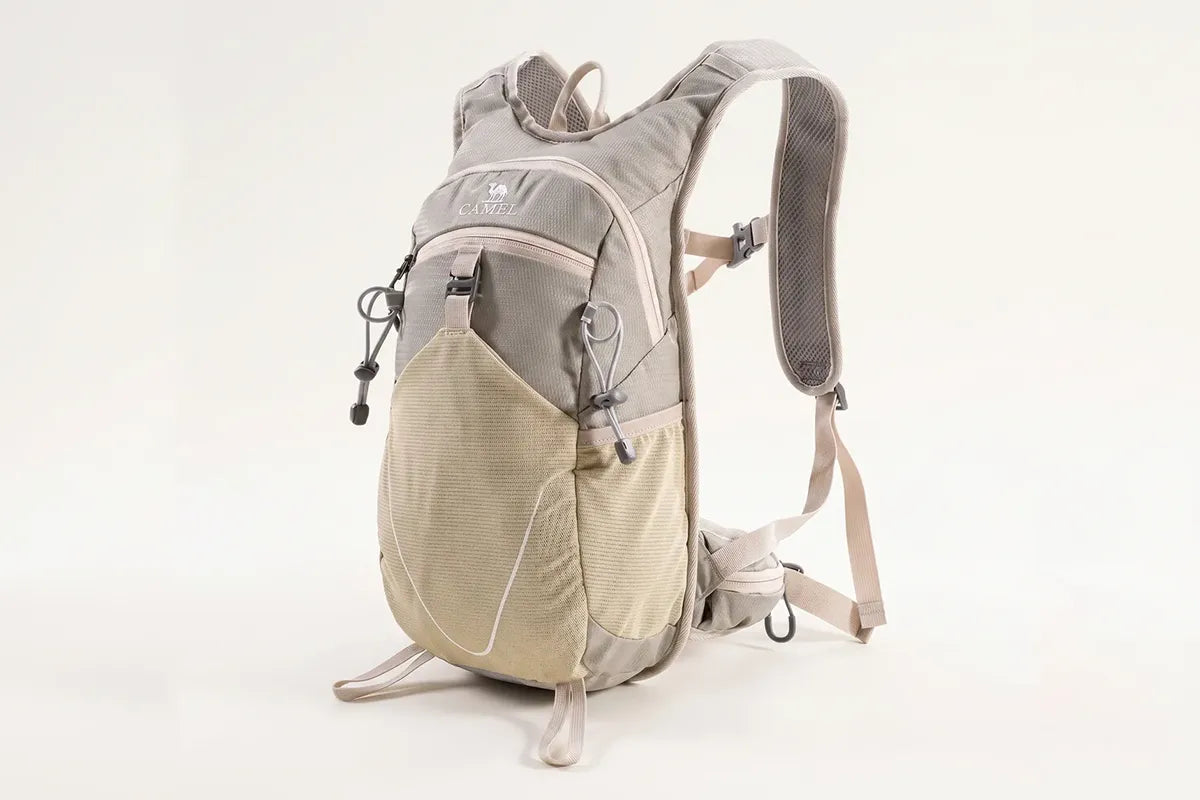
The Camel 12L hiking backpack is a lightweight, waterproof daypack built for hikes under 5 hours. It is not built for multiple day trips. At 1.87 lbs, with a 12 liter main compartment, breathable mesh back panel, and hydration compatibility, it carries water, a first aid kit, navigation gear, and a light layer without adding bulk you do not need. This guide covers every spec, feature, and real owner question about this pack, so you can decide in one read whether it is the right fit.

Quick Specs
Here is the full spec sheet at a glance, before you read further.
| Spec | Detail |
|---|---|
| Capacity | 12 L |
| Weight | 1.87 lbs |
| Dimensions | 9.06" L x 4.33" W x 16.14" H |
| Material | Waterproof polyester |
| Color | Khaki |
| Best For | Day hikes, cycling, beach trips, short trail walks |
| Not Built For | Overnight or multiple day trips |
| Price | Price varies. See current price |
Who This Backpack Is Actually For
This pack earns its keep on hikes under 5 hours, where your load is water, snacks, a light jacket, and a small emergency kit. It is not meant for shelter or overnight gear.
A good example is desert day hiking: flat mileage, well traveled trails, hot afternoons and cool mornings, and a real need to carry more than just water. Think a compact first aid kit, a map or offline navigation, and a way to signal or stay put if something goes wrong. That is exactly the gap a 12L pack fills. It is too small for a tent or sleeping bag, but that is not what it is for. It is for someone who wants real carrying capacity for safety gear without hauling a 40L expedition pack on a four mile loop.
It is also a strong fit for cycling, beach days, and any activity where a bulky pack becomes a liability rather than a help.

Feature Breakdown
Waterproof, Durable Build
The polyester shell holds up against light rain and trail dust without adding weight. It is not a bombproof expedition fabric, but for everyday conditions it is more than enough.
Comfort System
Breathable mesh on the back panel and shoulder straps cuts down on sweat buildup on long walks, a real issue with smaller packs that sit tight against your back. Adjustable chest and waist straps keep the load stable instead of bouncing with each step, which matters more than people expect on uneven terrain.

Storage Layout
You get a main compartment, a front auxiliary pocket for small items, side mesh pockets sized for a water bottle, and a small waist bag for things you want without taking the pack off. Phone, keys, a snack bar, all within reach.
External Lanyard System
A simple external attachment point for trekking poles or gear you do not want inside the main compartment. Small feature, but it is the kind of detail that separates a real hiking daypack from a repurposed school bag.
Hydration Bladder or Water Bottles?
This is the single most common question with a pack this size, and the honest answer is that both work. The right one depends on your hike length and how well you track your water intake.
A hydration bladder gives you hands free sipping, which matters most on longer or hotter hikes where stopping to dig out a bottle breaks your pace. The tradeoff is that bladders can shift weight toward the bottom of the pack, and daily use means you need to fully dry them out between hikes. Never in the freezer, and never with anything but water inside.

Hydration setup shown on the Camel 12L.
Water bottles in the side pockets are the better call if you want to actually see and measure how much you are drinking. This is useful for anyone new to a route, hiking solo, or hiking in heat where tracking intake matters for safety. This pack's side mesh pockets are sized to hold a standard bottle, so you are not locked into either system.
If hands free hydration on longer routes is your priority, our Inoxto 12L Hydration Backpack is built specifically around a reservoir system and worth comparing.
What Owners Are Saying
Real buyers consistently point to three things: fit, size accuracy, and build quality.
- Multiple reviewers note the straps sit comfortably on smaller and female frames without digging in.
- The size is repeatedly described as not too small and not too big for a day hike, with enough room for a 2L bladder plus essentials and snacks.
- Several buyers highlight the rigid back panel, which keeps the pack from sagging or shifting when loaded.
- Shipping and packaging (arrives uncreased, in protective packaging) came up unprompted in more than one review, a small signal of overall product care.
Common Mistakes Buyers Make With Small Hiking Packs
Buying too small because day hike sounds minimal. A 12L pack still needs to fit water, a first aid kit, and layers. Buyers who go smaller often regret it by the second trip.
Assuming any backpack works with a hydration bladder. Not all daypacks have a dedicated bladder sleeve or hose port. Confirm hydration compatibility before assuming you can retrofit one in.
Ignoring back ventilation. On hot climate or high mileage days, a solid backed pack with no mesh panel will soak through fast. This is a bigger comfort factor than most buyers expect going in.
Overpacking a small pack just in case. A 12L pack rewards a tight, intentional gear list: water, a compact first aid kit, navigation, a light layer. Trying to cram overnight gear into it defeats the purpose of going lightweight.

12L vs. Larger Daypacks
| Capacity | Best For | Tradeoff |
|---|---|---|
| 12L | 2 to 5 hour hikes, cycling, beach trips | No room for extra layers or overnight gear |
| 20 to 25L | Full day hikes, variable weather | Heavier, bulkier for short walks |
| 30L and up | Overnight or multiple day trips | Overkill and uncomfortable for day use |
If most of your hikes run under 5 hours on well traveled trails, 12L is the sweet spot. It carries real safety essentials without the extra bulk and weight of a bigger pack you will never fill. If you are planning full day hikes or need room for extra layers and gear, size up to something like our Bisinna 22L Ultralight Hiking Backpack instead.

Related Packs Worth a Look
The Camel 12L is not the right size for every trip. Here is how it stacks up against two other packs in our lineup, depending on what you need.
| Pack | Capacity | Price | Best For |
|---|---|---|---|
| Camel 12L Hiking Backpack | 12L | See current price | Day hikes under 5 hours, general use |
| Inoxto 12L Hydration Backpack | 12L | $88.99 | Hands free hydration, running and cycling |
| Bisinna 22L Ultralight Backpack | 22L | $76.99 | Full day hikes, extra layers and gear |

Bisinna 22L Ultralight Hiking Backpack
Nearly double the capacity for full day hikes or trips where you need room for extra layers. $76.99, available in navy blue and grey.
View Product
Inoxto 12L Hydration Backpack
Same 12L class, built specifically around a hydration reservoir. A strong pick for running and cycling as well as hiking. $88.99, available in grey, red, black, and blue.
View ProductFAQ: Camel 12L Hiking Backpack
Is the Camel 12L hiking backpack waterproof?
Yes. It is made from waterproof polyester that protects contents in light rain, though it is not built for full submersion or extended downpours.
Does it fit a hydration bladder?
Yes, it is hydration compatible and comfortably fits a 2L bladder alongside other essentials, based on owner feedback.
How much can a 12L backpack actually hold?
Enough for a day hike: a 2L water bladder or bottles, a compact first aid kit, snacks, a light layer, and small navigation tools. It is not sized for overnight gear.
Is this backpack good for hot weather hiking?
Yes. The breathable mesh back panel and lightweight shoulder straps are designed to reduce heat buildup and sweat on long or hot weather walks.
What is the weight of the Camel 12L backpack?
1.87 lbs empty, making it one of the lighter daypacks in this capacity range.
Is 12L too small for a full day hike?
For hikes under 5 hours on established trails, no, it is an ideal size. For longer, more remote, or overnight trips, a 20 to 25L pack like the Bisinna 22L is a better fit.
What is the difference between the Camel 12L and the Inoxto 12L?
Both are 12L daypacks, but the Inoxto ($88.99) is built specifically around a hydration reservoir system with color options in grey, red, black, and blue, while the Camel offers a more general purpose layout with side bottle pockets and more external storage.
Should I get the Camel 12L or the Bisinna 22L?
If your hikes run under 5 hours on established trails, the Camel 12L's smaller size and lighter weight is the better everyday choice. If you need room for extra layers, more gear, or you are doing full day hikes, the Bisinna 22L ($76.99) gives you nearly double the capacity in a still lightweight, packable design.
Bottom Line
The Camel 12L hiking backpack is built for exactly one use case: lightweight, safety conscious day hiking, and it does that well. If your trips run longer than 5 hours or need overnight gear, size up to the Bisinna 22L. If hydration is your top priority, the Inoxto 12L is worth a look. If you want a dependable, comfortable pack that carries real essentials without extra bulk, the Camel 12L is a strong pick.